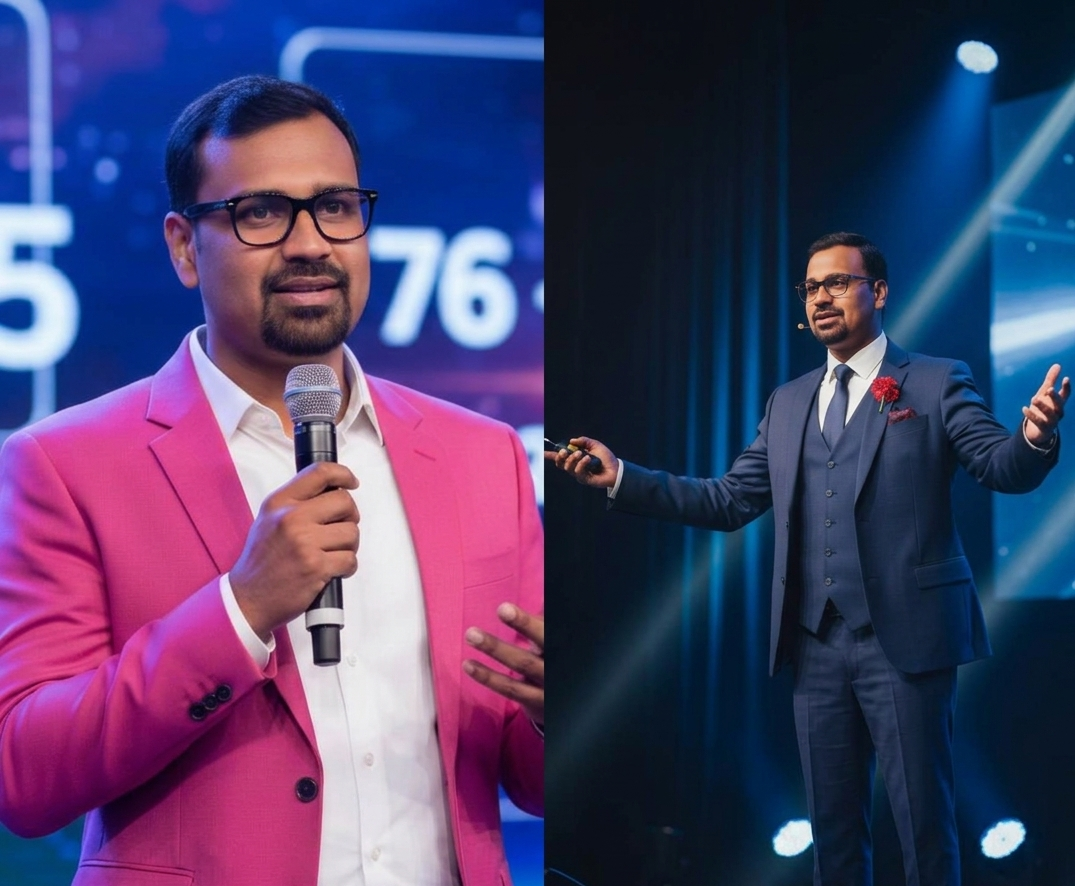
An exclusive editorial conversation with the “World Memory Man” and “Memory King of Mobile Numbers”
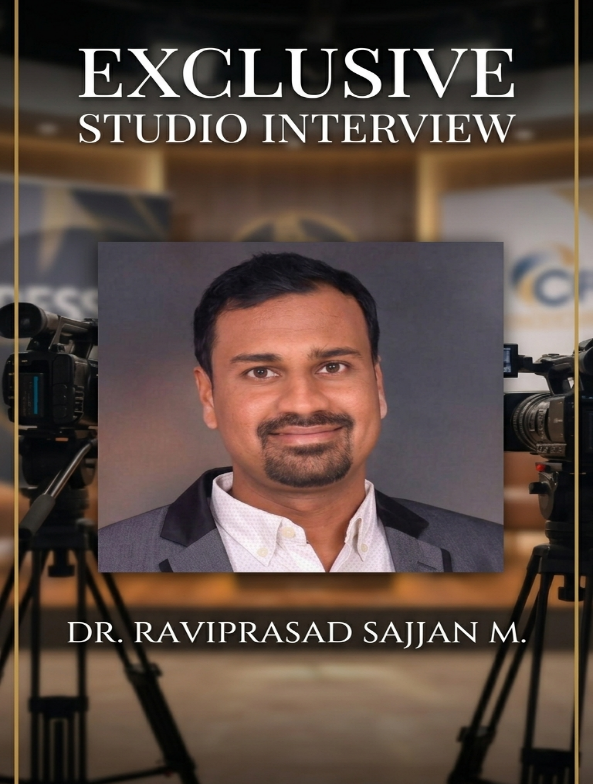
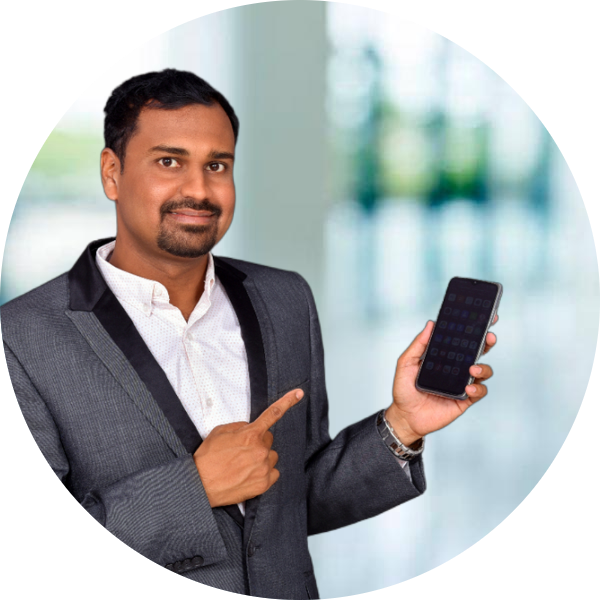
Yagnavalkya Public School (CBSE)- Dr. Raviprasad Sajjan M.:
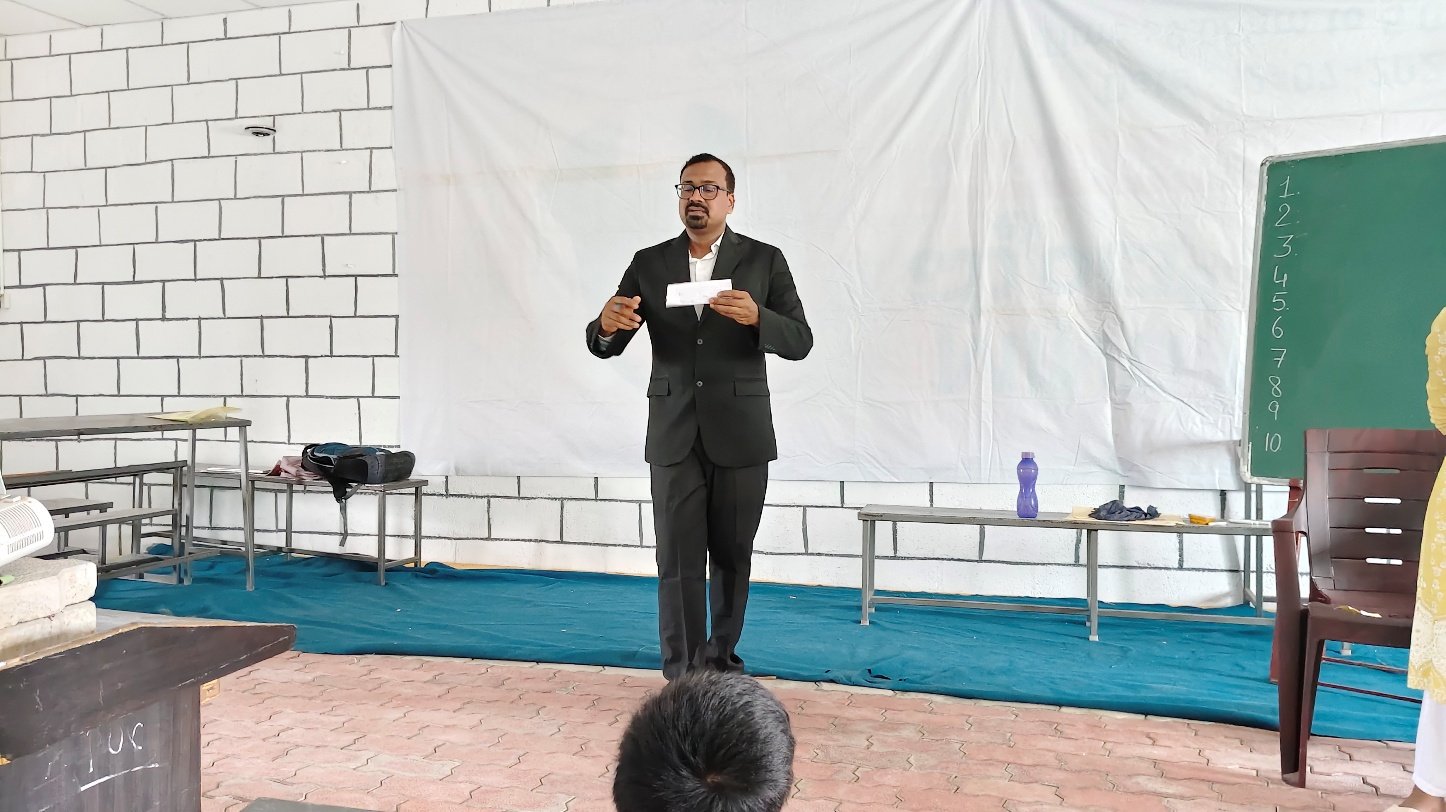
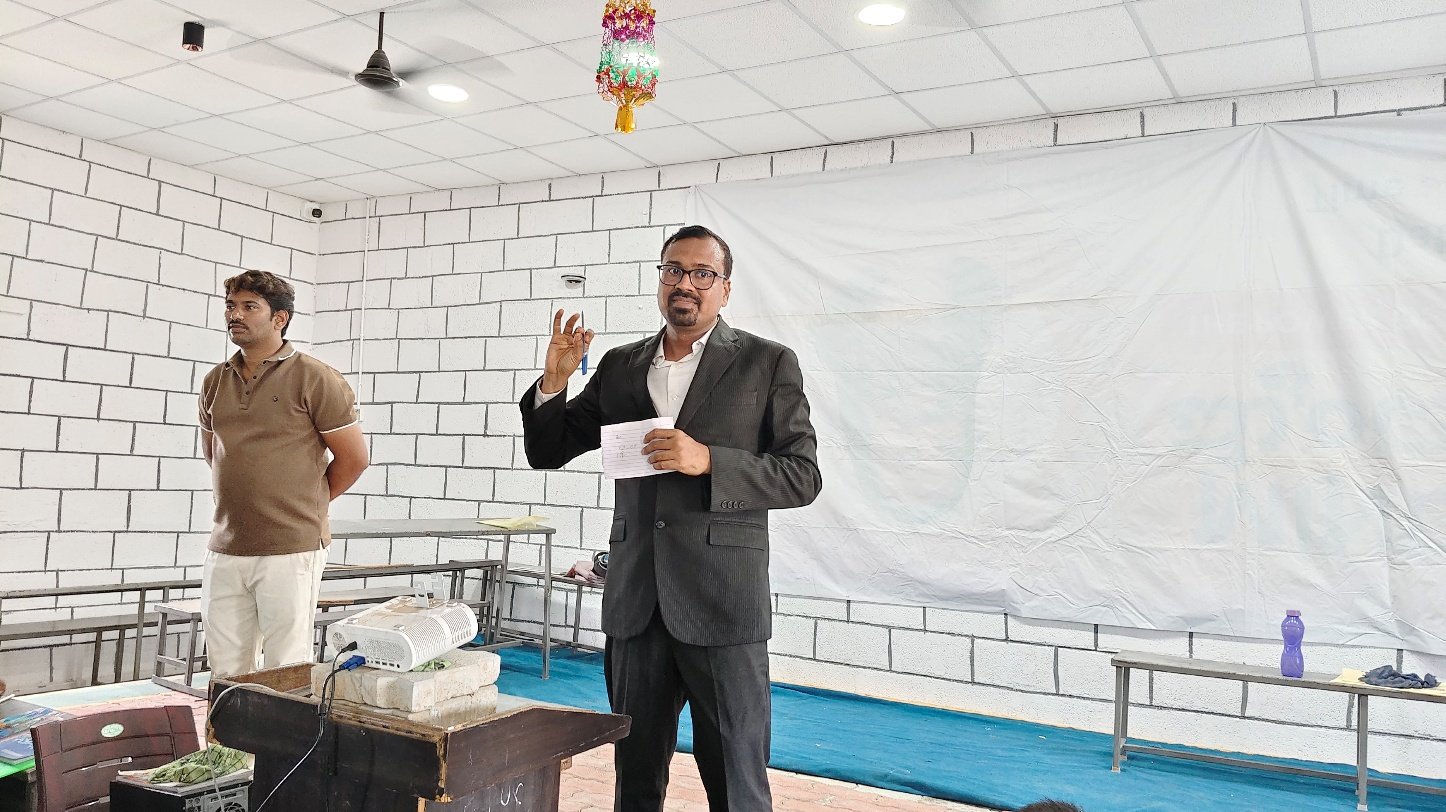
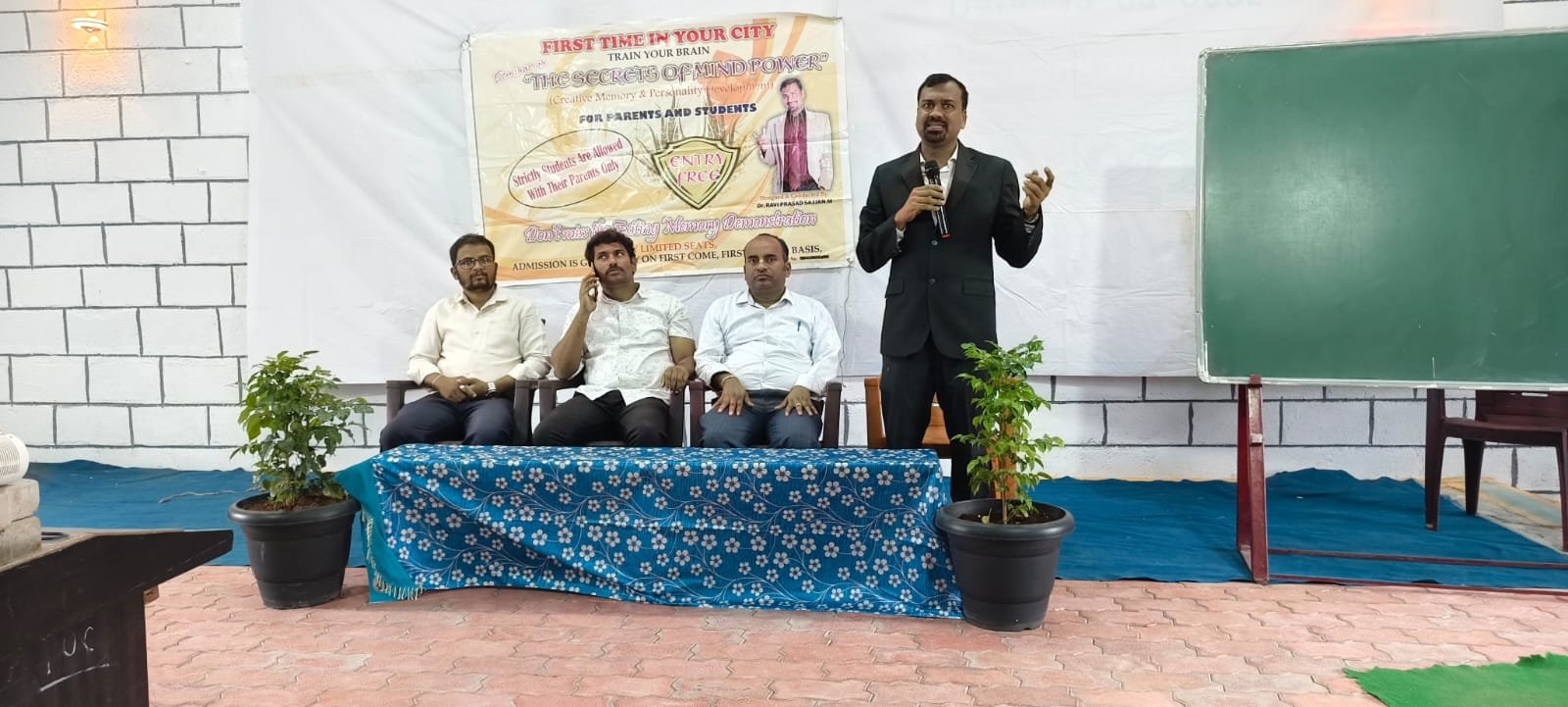
Dr. Ravi Prasad Sajjan M., an International Memory & Mind Trainer, visited Yajnavalkya Public School (CBSE),Beemanabande, Hiriyur, Karnataka to host a one-day Seminar on “The Secrets of Memory Power”. Around650 Students from grades 6 to 10 witnessed this unique seminar, held in the school’s auditorium.
An extraordinary atmosphere of curiosity and intellectual excitement filled the campus of Yajnavalkya Public School recently as the institution hosted a highly anticipated cognitive empowerment seminar. The event featured a truly legendary guest: Dr. Raviprasad Sajjan M.
The Man Behind the Memory: Dr. Raviprasad Sajjan:
In an age when smartphones remember our appointments, store our contacts and instantly retrieve information, the extraordinary memory abilities of Dr. Raviprasad Sajjan M. offer a fascinating reminder: the human brain itself remains one of the most remarkable instruments of information storage and recall.
An International Memory and Mind Trainer, Cognitive Specialist, Educator, Author,and Success Coach, Dr. Raviprasad Sajjan has dedicated his career to exploring the potential of memory, concentration, and mental performance. He is also associated with numerous roles viz., memory training, mind training, writing, motivational education, illusionist, hypnosis, psycho-neuro therapy, and tarot consultancy, and serves as CEO of Master Mind Power Secrets Pvt. Ltd., Bengaluru.He has also authored books and scientific research papers and serves as a Chief Editor.
| Dr. Raviprasad Sajjan – World Memory Man:
He is popularly known as the “World Memory Man” and the “Memory King of Mobile Numbers.” Dr. Raviprasad has attracted international attention for his demonstrations of memory, speed, and accuracy. |
The Memory King of Mobile Numbers:
One of Dr. Ravi’s most remarkable achievements is his claimed record for recalling 1,010 mobile phone numbers. According to the profile provided for this feature, he has received recognition from multiple world-record organizations for his ability to memorize and accurately recall large numbers of mobile numbers.
The achievement has contributed to his reputation as the “Memory King of Mobile Numbers,” a title that distinguishes his particular area of expertise in memory performance.
A Human Calendar in His Mind:
Numbers are not the only information Dr. Ravi has trained himself to retain.
His calendar-recall ability has earned him the public titles “Walking Calendar” and “Human Calendar.” He is described as being able to identify the day of the week corresponding to dates spanning thousands of years.
According to the material supplied for this article, he has demonstrated the ability to recall calendar days covering the period from 1 January 1600 to 1 January 4600—a span of 3,000 years.
IN CONVERSATION WITH DR. RAVIPRASAD SAJJAN:
Editor:Dr. Ravi, people often describe you as the “World Memory Man.” What does memory mean to you?
Dr. Ravi: Memory is much more than the ability to remember information. It is a fundamental part of learning, communication, decision-making, and everyday life. When we understand how attention, association, visualization, and recall work together, we can train the mind to perform much more effectively.
Editor:You are popularly called the “Memory King of Mobile Numbers.” How did you develop the ability to remember such a large number of phone numbers?
Dr. Ravi: The key is not simply repetition. Memory becomes powerful when information is converted into meaningful associations. I use techniques involving visualization, association, concentration, sequencing and systematic recall. With consistent practice, the brain becomes more efficient at storing and retrieving information.
Editor:You are also known as the “Human Calendar.” What fascinates you about calendar calculations?
Dr. Ravi: A calendar is an excellent example of how information can be organized in the mind. Once we understand patterns and develop a systematic method, dates that initially appear complicated can become much easier to process. The important point is not simply knowing a particular date; it is understanding the pattern behind it.
Editor:You have demonstrated dates covering thousands of years. What does such an achievement teach us about the human brain?
Dr. Ravi: It teaches us that the brain responds remarkably well to structure and training. When information is organized properly, the mind can handle a great deal more than we normally expect. The important lesson is not merely my achievement; it is the possibility that every individual can improve their own mental performance.
Editor:Many people believe that exceptional memory is something you are either born with or without. Is that true?
Dr. Ravi: I believe that everyone has significant potential. People may naturally differ in their abilities, but memory can be improved through training. The brain responds to practice. The techniques I teach are designed to make information meaningful, visual, and easier to retrieve.
Editor:What are some of the biggest mistakes students make when studying?
Dr. Ravi: One common mistake is passive reading. Students may read the same material repeatedly without actively engaging with it. Another problem is distraction. Effective learning requires attention. Students should understand what they are studying, create associations, revise strategically, and test themselves rather than simply rereading.
| “Your mind remembers what it sees, what it feels, and what breaks the monotony of reality. True memory training is simply the art of making information distinct.”
– Dr. Raviprasad Sajjan M., World Record Holder In Memory Power |
Editor: You conduct memory seminars for students. What is the most common problem you observe among young learners?
Dr. Ravi: One of the biggest challenges is lack of concentration. Students are surrounded by distractions, and they often try to memorize information without understanding it. I encourage them to focus, understand concepts, use associations, visualize information and practise active recall.
Editor: What do you tell students who say, “I have a bad memory”?
Dr. Ravi: I tell them not to label themselves that way. A person may have an untrained memory rather than a bad memory. Confidence is important. Once students learn appropriate techniques and practise them regularly, they often discover abilities they did not know they possessed.
Editor: What role does concentration play in memory?
Dr. Ravi: Concentration is fundamental. If information does not receive adequate attention at the time of learning, it becomes difficult to recall later. Memory training and concentration training therefore go hand in hand.
Editor:Your seminars often include live demonstrations. Why are demonstrations important?
Dr. Ravi: A demonstration creates curiosity. When students see something that initially appears impossible, they begin asking, “How can I do this?” That curiosity opens the door to learning. My objective is not merely to impress an audience but to show them that their own minds may be capable of much more than they realize.
Editor: What was your message to the students at Yagnavalkya Public School?
Dr. Ravi: I wanted them to understand that learning does not have to be stressful or boring. Memory techniques can make learning more interesting and systematic. I encouraged the students to develop focus, practise regularly, and believe in their own capacity to learn.
Editor: You have worked across several fields—from memory training and education to writing and motivational coaching. What connects all these interests?
Dr. Ravi: The common element is the human mind. Whether we are discussing memory, motivation, learning, or personal development, we are ultimately discussing how people think, learn, and transform themselves.
Editor: Finally, what would you like people to remember after attending one of your programmes?
Dr. Ravi: I would like them to leave with confidence. They should understand that the brain is not simply something we possess—it is something we can train. The goal is not to become another person. The goal is to discover and develop our own potential.
Editor: What is the most important message you want students to take away from your programmes?
Dr. Ravi: I want them to understand that learning can be enjoyable. They should not be afraid of difficult subjects or large amounts of information. With the right techniques, discipline and regular practice, learning becomes more manageable. Most importantly, they should believe in their own potential.
Editorial Note:
From Numbers to Possibilities
The “Memory King of Mobile Numbers” and “Walking Calendar” are memorable titles, but behind them is a deeper message: the human mind may be capable of far more than we routinely ask it to do.
For Dr. Raviprasad Sajjan, the journey is not simply about remembering 1,010 mobile numbers or identifying dates across 3,000 years. It is about exploring the boundaries of memory—and encouraging others to discover their own.
His record may be measured in numbers and dates, but his larger mission is measured in human potential.

WORLD RECORD DEMONSTRATION BY WORLD RECORD HOLDERS
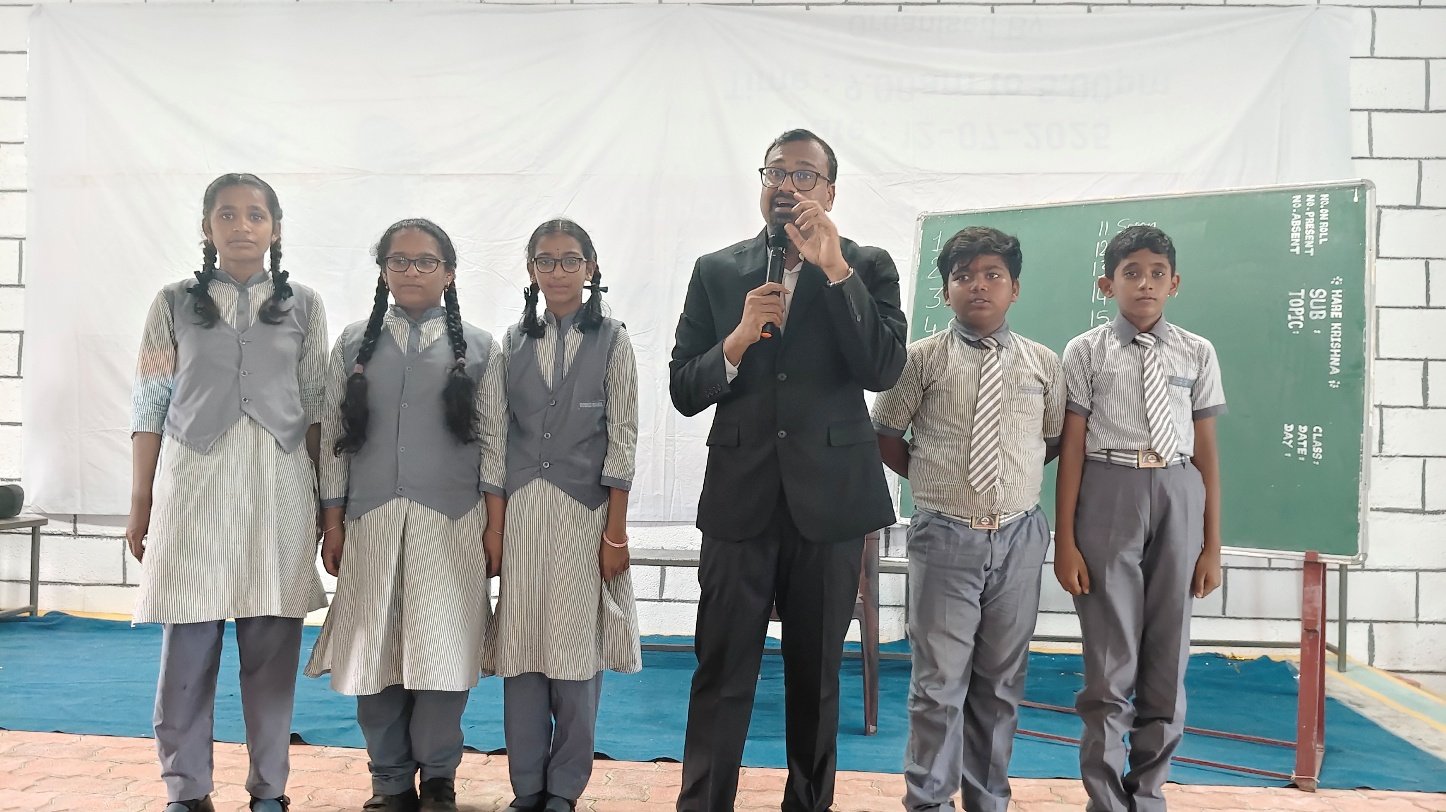
A spellbinding memory power demonstration recently took place in the same school’sauditorium, completely rewriting the rules of cognitive science and scholastic achievement. Two student prodigies, Spoorthy H.S. and Skandha Kumar H.S., stunned observers by collectively shattering 13 individual World Records.
Trained under the elite mentorship of international mind expert Dr. Raviprasad Sajjan M., the duo demonstrated that human memory, when structured properly, can easily outperform modern digital devices.
Spoorthy H.S.- 7 New World Records
Spoorthy H.S., a student representing Sri Mokshagundam School, captured the audience’s attention by conquering 7 New World Records in extreme mental multitasking. Rather than just relying on raw memory retention, Spoorthy showcased advanced dual-task processing capabilities.She accurately recited massive, complex administrative and scientific datasets—including all 118 chemical elements of the periodic table and 71 individual Karnataka RTO codes—while simultaneously writing mathematical multiplication tables on paper. She executed the grueling process in mere seconds without committing a single error.
Skandha Kumar H.S.- 6 New World Records
Sharing the center stage, Skandha Kumar H.S. from Rastriya Academy School pushed the boundaries of visual-spatial processing by claiming 6 New World Records. The exceptionally sharp young prodigy officially became the fastest child on Earth to identify and name the national flags of all 195 UN-recognized sovereign nations.
Maintaining 100% precision throughout the rapid-fire test, Skandha demonstrated an elite mental map by identifying complex geographical symbols, patterns, and colors at split-second speeds.
Elite Global Validation
Spoorthy H.S. and Skandha Kumar H.S.havelandmark feats in cognitive coordination and speed recall that have undergone rigorous verification. Premium international monitoring boards have officially audited and validated all 13 milestones.
The student records have been officially entered into the global books by multiple elite organizations, including:
- Guinness World Records (London, United Kingdom)
- European Records Book (Europe)
- Cyber Book of World Records (United States of America)
- Influencer Book of World Records (India)
Follow Dr. Raviprasad Sajjan on Social Media:
YOUTUBE– https://www.youtube.com/@drraviprasadsajjan
FACEBOOK– https://www.facebook.com/drraviprasadsajjan
INSTAGRAM- https://instagram.com/drraviprasadsajjan
For any queries, please contact 91-91081 20048.
**************************